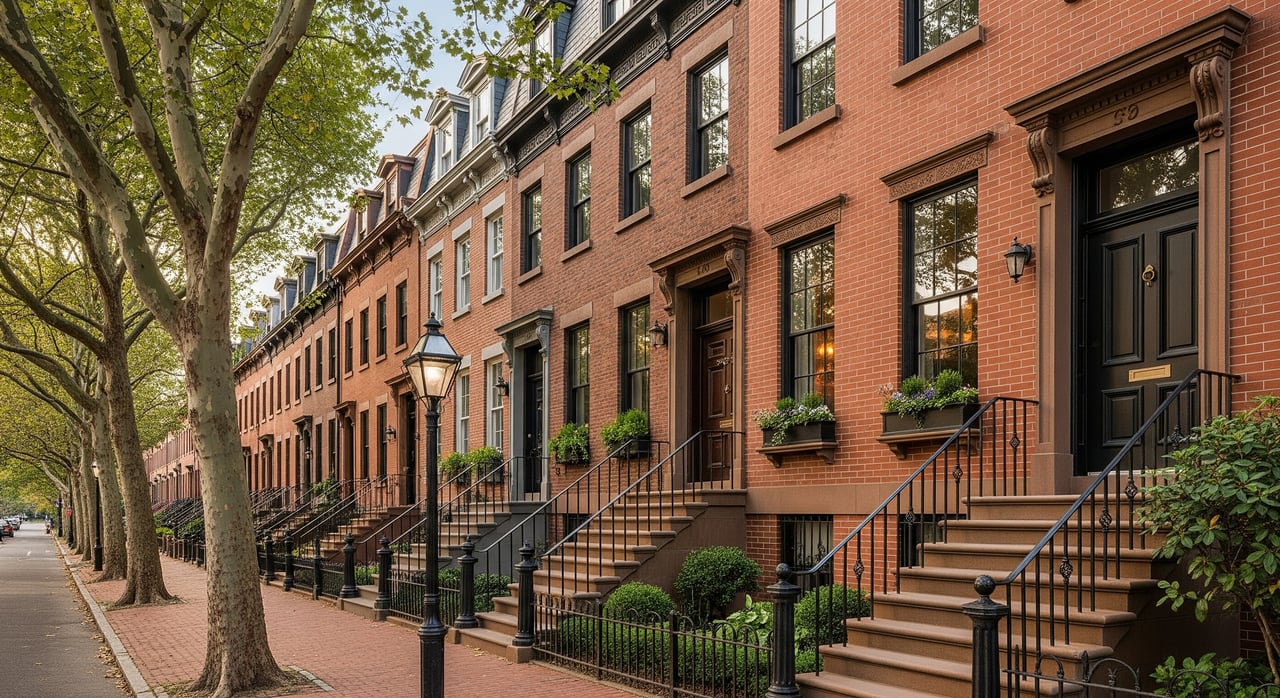
Picture yourself walking past brick stoops and tall bay windows, wondering what it takes to own one of these classic DC homes. If you are eyeing Shaw or Logan Circle, you are looking at some of the city’s most iconic rowhouses and some of its most regulated. In this guide, you will learn how these homes are built, what to expect inside, how historic rules and zoning work, and the inspections and costs that matter. Let’s dive in.
What a DC rowhouse is here
Rowhouses in central DC are narrow, attached masonry homes that share party walls and line up in a continuous row. In Shaw and Logan Circle, most were built in the late 1800s and early 1900s in Federal, Italianate, and Victorian styles. Many streets fall within local historic districts, which means exterior changes can be regulated. You can review how preservation works through the District’s Historic Preservation Office.
Walkability is a major draw. Both neighborhoods sit near Metro access, 14th Street restaurants, U Street entertainment, and downtown job centers. That mix of convenience and historic character drives strong buyer demand and supports values when homes are well maintained and thoughtfully renovated.
Floor plans and daily living
Parlor plan and garden level
Many rowhouses follow a classic stoop-and-parlor layout. You enter up a short stoop to a main floor living room, with a kitchen either at the rear of this level or down on the garden level. Bedrooms are usually upstairs, with a second or third floor depending on the home’s height. Larger homes may have finished attic or top-floor rooms.
Garden-level basements are often finished for living space, guest suites, or rentals. Keep in mind that true bedrooms require proper egress windows and code-compliant exits. If you plan to rent the space, confirm permits and legal status before you buy.
Additions and outdoor space
Rear additions and bump-outs are common and can add real function to narrow footprints. Private rear yards vary by block, and some properties have alley access or a carriage house. Roof decks are popular where allowed, but visibility from the street can be restricted in historic districts.
Building systems to expect
These homes are typically masonry shells with timber or steel joists. Over time, mortar joints and flashing need maintenance. Roofs may be slate on older houses or asphalt and rolled roofing on flats, with different life spans. Electrical and plumbing systems may have been updated in stages; older wiring or cast iron and galvanized pipes can remain in unrenovated areas. Narrow layouts often use retrofitted HVAC systems that need careful planning to heat and cool upper floors.
Historic districts and permits
What historic review covers
Logan Circle and parts of Shaw include designated historic districts and individual landmarks. Exterior changes visible from public streets often need review by the Historic Preservation Office or the Historic Preservation Review Board. That can include front windows, cornices, stoops, rooflines, and rooftop structures. Review usually aims for compatibility rather than preventing change, but it affects materials, profiles, and placement.
Typical pinch points include replacing original windows, adding roof decks or pop-ups, and repairing decorative masonry or metalwork. If you are weighing design options, early dialogue with preservation staff can save time and cost.
Zoning basics and additions
Zoning controls height, lot occupancy, rear additions, and parking. Many rowhouses sit in RF or R zones that are designed for rowhouse patterns. Before you plan additions or unit changes, check the parcel’s zoning and permitted uses on the DC Office of Zoning site.
Permits and approvals
Substantial interior work and most exterior projects require building permits. In historic districts, preservation review typically happens before a permit is issued. You can learn about permit types, plan review, and code compliance through the District’s permitting portal at DCRA.
Ownership and financing
Fee simple vs. condo conversion
Most rowhouses are fee simple, meaning you own the structure and the lot. Many properties have also been legally converted into two or more condominium units, which come with association governance and shared maintenance responsibilities. For fee-simple homes, you handle all exterior and party-wall obligations, often coordinating with neighbors for shared-wall work.
Renovation-friendly loan options
If you find a home that needs work, some mortgages let you roll improvements into the loan. The FHA 203(k) program and Fannie Mae’s HomeStyle option are commonly used for older properties that need system updates or layout changes. Lenders will require a scope, contractor bids, and inspections tied to draws.
Taxes, credits, and homestead
DC offers a primary residence homestead deduction that can reduce your taxable assessment when you occupy the home. You can review eligibility and current procedures through the DC Office of Tax and Revenue. DC also charges recordation and transfer taxes at closing, with periodic updates and limited exemptions for certain buyers. Your lender or title company will give you current figures.
Insurance and risk
Older homes can have higher insurance needs, especially if basements are finished or systems are original. If a property includes a legal rental unit, plan for landlord coverage or additional riders. Ask your insurer about water infiltration coverage and special considerations for historic structures.
Inspections and due diligence
Go beyond a standard walkthrough and build a focused inspection plan:
- General home inspection that emphasizes masonry, roof condition, drainage, and mechanical systems.
- Chimney and fireplace inspection to review structure and flues.
- Sewer scope of the lateral line, since older cast iron or clay can fail; see homeowner guidance from DC Water.
- Lead-based paint evaluation if you have children or expect to renovate. Federal rules require disclosures for pre-1978 homes, and contractors must be certified under the EPA’s Renovation, Repair and Painting rule. Learn about buyer disclosures from the EPA’s lead disclosure page.
- Verification that any basement suite or rear unit is legal and properly permitted, with appropriate egress and a certificate of occupancy if applicable.
- Confirmation of historic-district status and any prior approvals. You can review preservation processes through the Historic Preservation Office.
Maintenance and recurring costs
Planning for upkeep
Older rowhouses reward proactive care. Expect periodic tuckpointing of mortar joints and flashing repairs. Roofs have material-specific life spans, with asphalt often lasting 20 to 30 years and slate lasting far longer if maintained. HVAC systems commonly need replacement around the 15 to 20 year mark, and older plumbing stacks or galvanized supply lines may require phased upgrades. Basements benefit from reliable drainage, grading, and sump systems.
Budgeting tips
There is no single number for annual upkeep, since condition varies widely. If you are buying an unrenovated home, budget for near-term work on roofs, mechanicals, and waterproofing. For fee-simple homes, build a reserve for masonry and exterior maintenance. In a condo conversion, monthly fees typically cover some exterior items, reserves, and insurance.
Energy and comfort upgrades
Energy retrofits can improve comfort in narrow, vertical homes. Air sealing, insulation, high-efficiency HVAC, and window repair or replacement where allowed can help. Explore available programs and incentives through the District’s Department of Energy & Environment.
Value drivers in Shaw and Logan Circle
- Location and walkability near Metro, 14th Street dining, U Street entertainment, and Logan Circle park.
- Historic character, including original mantels, moldings, cornices, and facades that are preserved or carefully restored.
- Renovation quality that respects the historic shell while modernizing kitchens, baths, and mechanicals.
- Outdoor living with private rear yards and, where permitted, roof decks set back from street view.
- Off-street parking or alley access, which is limited and can add meaningful value.
- Legal unit count and rental potential where additional units are permitted and code compliant.
Smart next steps
- Define your must-haves: size, outdoor space, parking, and willingness to renovate.
- Check zoning and historic-district status early so your plans match what is possible. The DC Office of Zoning and HPRB resources are useful starting points.
- Build your inspection list and budget. Include sewer scope, chimney, moisture, and system age.
- If you plan improvements, map the permit path with DCRA guidance and confirm any preservation review.
You do not have to figure this out alone. If you want a clear plan for touring, due diligence, and a realistic budget, reach out to The Spera Group for local guidance tailored to Shaw and Logan Circle.
FAQs
What makes Shaw and Logan Circle rowhouses unique?
- Historic masonry architecture, walkable locations, and preservation oversight shape both daily living and renovation options.
How do historic districts affect exterior changes?
- Exterior work visible from the street often needs review by the Historic Preservation Office or HPRB for compatibility with the historic context.
Can I add a roof deck on a Logan Circle or Shaw rowhouse?
- Possibly, but many districts require setbacks and minimal street visibility, and you will need permits and, in some cases, preservation approvals.
Do most rowhouses include off-street parking?
- No; on-street permit parking is common, while alley parking or garages exist on some blocks and add value when available.
What inspections should I prioritize for an older DC rowhouse?
- Focus on roof and masonry, drainage and basement moisture, chimney, sewer lateral scope, and system age, plus permit checks for any finished units.
What loan options help if the house needs work?
- Renovation mortgages like FHA 203(k) and similar programs can finance both purchase and improvements in one loan.
How does the DC homestead deduction help owners?
- If the property is your primary residence and you qualify, the homestead deduction can reduce the taxable assessment and lower annual property taxes.